Rapid Insights-Genre DNA Analysis: Power Struggles and Why We Love to Hate
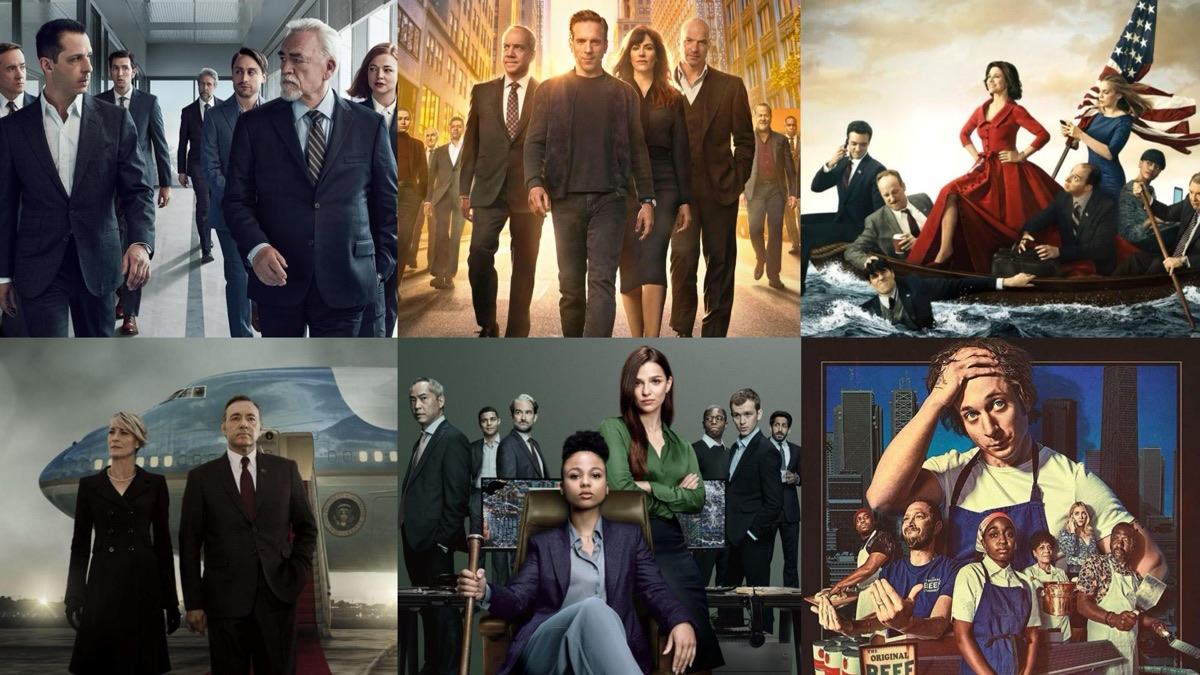
This week, in honor of Vault’s newly-rolled-out Genre DNA™ reporting capabilities, we’re taking another deep dive into an eclectic scripted subgenre that crosses both comedies and dramas: business Power Struggles. Shows within this category feature a variety of modern-set workplaces where employees, co-workers, and big-headed bosses clash and compete for the spoils of professional success. For our analysis, we took a closer look at the data to see what separates the truly stand-out successes–those that hit the zeitgeist, achieve popular acclaim, and, ideally, run for many seasons–from the rest of the pack.
Here’s what you need to know about this Power Struggles subgenre:
Vault AI uses index scores to describe the impact a given story/theme/element will have on specific KPIs:
Who’s typically watching these types of shows?
Viewers 30+. However, while nearly all examples of this subgenre skew older, the most successful entries appeal fairly broadly across both men and women. Rather than fitting squarely within one quadrant, as many of the one-and-done series do, shows like Succession (50% male / 50% female), House of Cards (48% male / 52% female), Veep (54% male / 46% female), Industry (55% male / 45% female), The Bear (45% male / 55% female), and Billions (55% male / 45% female) land best with a relatively gender-balanced audience.
What type of viewing experience sets the most popular shows apart?
An intense one. While this subgenre encompasses a variety of storytelling styles, from upbeat comedy to layered drama to twisted satire, the shows that stand out the most tend to offer a harsher, more unflinching look at the raw power dynamics of their respective workplaces. Nearly across the board, the overachievers draw viewers with unpleasant, blood-boiling emotions like Anger (118, House of Cards), Loathing (117, The Morning Show), Contempt (116, Empire), Aggressiveness (116, The Newsroom), Disgust (127, Silicon Valley), and Terror (137, Industry)–even the shows styled as comedies (e.g. Veep, Silicon Valley, Mythic Quest). In contrast, less successful series are more likely to lead with positive feelings such as Awe, Love, Ecstasy, and Trust.
Which common story element is most appealing?
The cutthroat competition. In keeping with their negative emotional approach, successful power-based series tend to focus hard on the ugly, dark side of their central premise. Viewers tune in largely to see morally compromised protagonists relish in their own unique style of deception and backstabbing: the Corruption (128) of a televangelist family (The Righteous Gemstones); theScheming (123) of an aggressive hedge fund manager (Billions); the twisted Ambition & Drive (119) of an amoral politician (House of Cards); the demented Rivalry (114) between two tech companies (Silicon Valley); the absurdRuthlessness (121) of a presidential hopeful (Veep); the unhealthy Competitiveness (124) of a rebellious chef (The Bear). These displays of naked ambition and workplace dysfunction (Difficult Workplace, 124, Industry) largely drive ratings for the most successful entrants in this subgenre.
What are the characters typically fighting to win?
The trappings of success. While these shows’ ambitious protagonists do compete for the intoxication of raw, nakedPower (141) (Billions), many fight just as hard for adjacent desires like Money (131) (Succession), Vengeance (134) (Empire), and Social Status (143) (House of Cards). And the fact that these battles take place within a wide variety of fascinating settings–theCulinary World (120) of The Bear, the drug-based Crime Family (117) underworld of Power, theMusic Industry (128) of Empire, the early morningShow Business (125) world of The Morning Show–is what makes these series so eminently bingeable.
What keeps the most successful shows running long-term?
The character relationships. Though the epic power struggles are what lure in viewers, it’s the series’ more relatable interpersonal dynamics that keep them watching season after season. For most of these standout shows, longevity is driven by compelling central relationships in which audiences want to invest–even though the characters themselves are often terrible human beings: Father-Child Relationships (111) (Succession), Mentorships (118) (The Good Fight), Parenting Problems (120) (Veep), Sibling Rivalry (134) (The Righteous Gemstones), Family Relationships (124) (Power), a Marriage of Convenience (113) (House of Cards).
Methodology
Publicly released trailers for series are evaluated using Vault’s algorithms — utilizing our proprietary 120K+ story element database alongside viewership performance and other datasets — to identify unique combinations of stories, themes, characters, and genre elements that will drive success.